From Hanging Out to Having a Voice: Starting a Teen Advisory Board

Updated: Mar 9

I've moved!
PLEASE VIEW & BOOKMARK THIS POST ON MY NEW WEBSITE: https://youthservicesplaybook.com/2026/01/15/from-hanging-out-to-having-a-voice-starting-a-teen-advisory-board/
This site is no longer maintained. You're missing all of the new content!
Teens are one of the hardest age groups to reach at the library—at least, they were for me at the beginning. When I started as Youth Services Librarian serving ages 0–18, teen involvement was almost non-existent. They came in, grabbed what they needed, and left.
My After School Snack Initiative helped get more kids in the door—teens included—but it raised an important question: How do I keep them in the building and engaged after they’ve collected their snack?
The answer, it turned out, wasn’t more programming for teens. It was creating something with them.
Step One: Build Trust Before Structure
Before I ever used the words “Teen Advisory Board,” I focused on relationships. I talked to teens while they ate their snacks. I asked casual questions: How was your day? What was for lunch? What do you wish the library had? What would make this space feel more like yours? What do you hate?
Those conversations mattered. Teens are incredibly perceptive; they can tell when adults are checking a box versus genuinely listening. Once they realized their opinions weren’t just welcome but wanted, the dynamic shifted.
Step Two: Invite, Don’t Recruit
Instead of posting flyers or formal applications right away (the application came much later), I invited teens directly. I told them I wanted help shaping teen services at the library—and that meant I needed real input. REAL input.
I kept it simple:
No application - just a simple sign-up to make sure they qualified (age and district-wise)
No long-term commitment
Snacks always provided (never underestimate snacks)
The pitch was honest: You tell me what you want this space to be, and I’ll help make it happen. That transparency made all the difference. I started informal "programs" (and I use that term loosely) just to get them in the programming space together, as more of a hang out with some simple activities and music (see Lo-Fi Lab for ideas).

Step Three: Give Them Real Ownership
A Teen Advisory Board only works if teens actually have power. From the start, TAB members helped:
Suggest and plan programs
Recommend books, manga, and games for the collection
Design displays and give ideas for the teen area
Give feedback on library spaces
Had ownership in existing programming as volunteers
Gained insight into the inner workings of the library
When teens saw their ideas turn into real programs and purchases, and had the power to help run a program or initiative, buy-in skyrocketed. The library stopped feeling like a place they were allowed to be and started feeling like a place that belonged to them.
Step Four: Keep It Flexible and Low-Pressure
Attendance fluctuated—and that was okay. Teens juggle school, sports, jobs, and family responsibilities. I built flexibility into the structure so missing a meeting didn’t mean they were “out.”
Some meetings were structured. Others were more like guided hangouts with purpose. Both were valuable. This is where you will figure out what works best for your group. This is what worked for ours.
A typical meeting, held on the first Wednesday of the month after school, started with an agenda of items, handed out to each teen, printed on the back of the monthly programming calendar. Everything at their fingertips. Wednesdays are the school district's early release days, so we took advantage of that for those with extracurriculars to attend as well. Meetings lasted anywhere from 1-1.5 hours (sometimes longer). Ideally, we wanted them to stay long enough to get through the agenda, but if kids needed to skip out after the 'business' portion of the meeting, they were welcome to do so.
Roll Call
Teen programs for the month
Volunteer opportunities for the month
Open discussion of suggestions, feedback, & ideas
Group project for the month
Celebration of monthly birthdays
Free time (board games, music, video gaming, crafting... their choice!)
Step Five: Let the Board Evolve
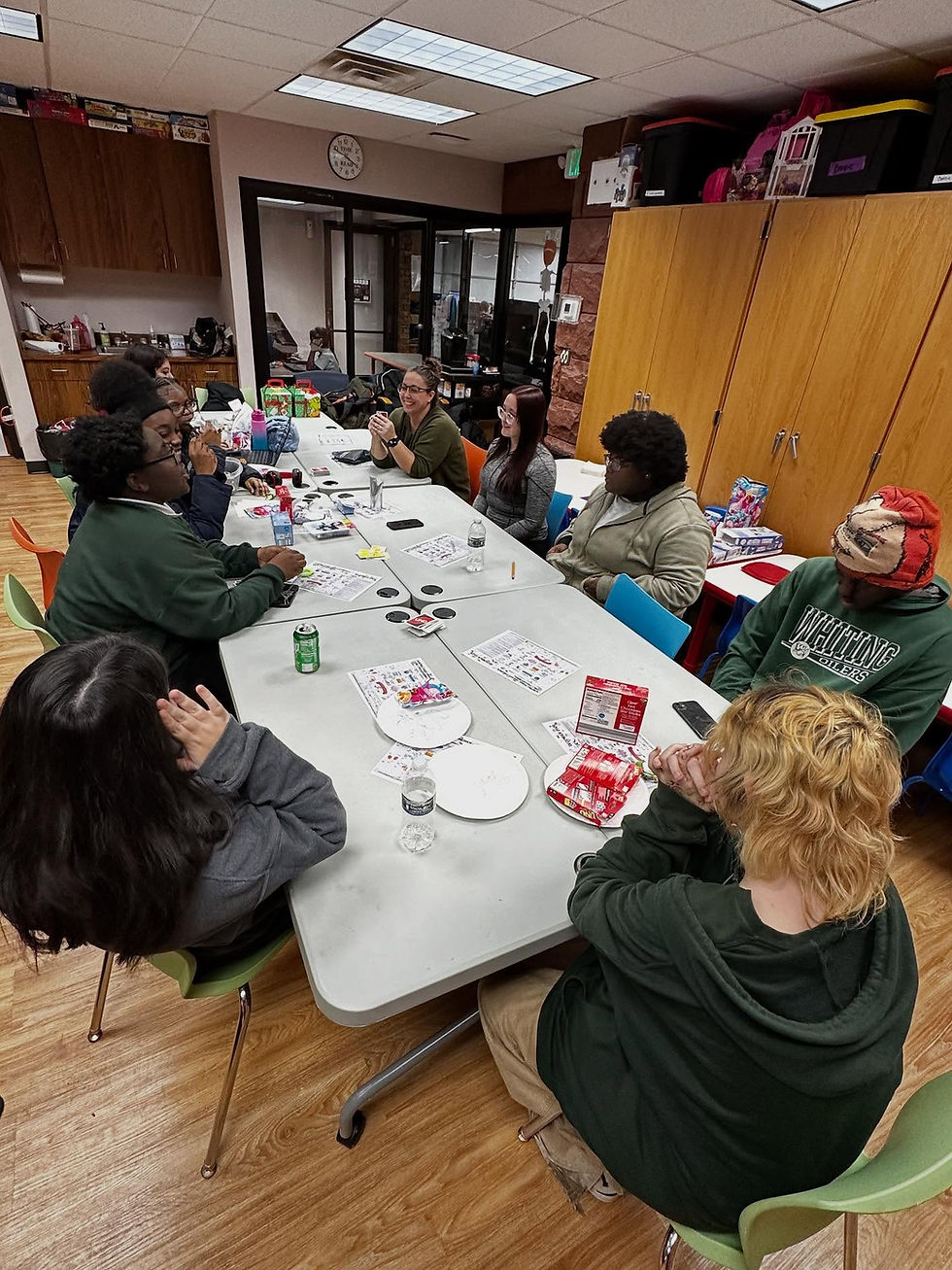
As trust grew, so did ambition. TAB members began bringing their own ideas to the table—game & movie night ideas, art programs (to teach others their hobbies), volunteer projects, and ways to make the library more teen-friendly overall. What started as a small group became a core part of teen services. And just as importantly, these teens started bringing other teens!
Why It Matters
A Teen Advisory Board isn’t just a program—it’s a statement. It tells teens that their voices matter, that they have a place in the library, and that the library is willing to grow alongside them.
For me, TAB transformed teen services from an afterthought into a partnership. It didn’t just keep teens in the building after snack time—it gave them a job and a reason to stay.
If you’re struggling to connect with teens at your library, start by listening. The rest will follow.
*This blog is intentionally ad-free. I want it to be a clean, distraction-free space where public librarians can find practical ideas for youth services, outreach, and programming without pop-ups or sponsored clutter.
Some posts may include affiliate links for books or supplies I genuinely use and recommend. If you choose to purchase through those links, I may earn a small commission at no additional cost to you. It’s a simple way to support the work while getting materials for your own programs.
If you’ve found value in these ideas and would like to help keep the blog running, tips are always appreciated and go directly toward hosting costs and content creation. You can do so here: https://www.paypal.com/ncp/payment/SPBXH4RPDHCCY


This was such a creative program for teens!
Our teens are driven, talented, and so caring. Kills me that they were shoved aside and just left wondering what happened to their TAB meetings.