Gutsy Gourmet: Turning After-School Hunger into a High-Engagement Library Program

Updated: Mar 9

I've moved!
PLEASE VIEW & BOOKMARK THIS POST ON MY NEW WEBSITE: https://youthservicesplaybook.com/2026/02/13/gutsy-gourmet-turning-after-school-hunger-into-a-high-engagement-library-program/
This site is no longer maintained. You're missing all of the new content!
If you work with tweens and teens, you already know this universal truth:
They are always hungry after school.
They walk into the library at 3:15 with backpacks, stories from the day, and the kind of hunger that could level a vending machine. And if your library is anything like mine, snacks instantly become social currency.
So instead of fighting it, I built a program around it.
Gutsy Gourmet is a monthly themed tasting program where kids try foods (and drinks!) they might not normally choose — all in a fun, structured, low-pressure environment. It’s simple, inexpensive, and one of the most conversation-heavy programs we've run.
And yes, they love it.
The Concept
Each month features a tasting theme centered on curiosity and comparison. The goal isn’t shock value — it’s exploration. Kids try small samples, describe what they’re tasting, compare items, and vote on favorites.
Themes can include:
Snack-Based Themes
Sour Showdown – Different sour candies, citrus varieties, sour chips - Supply ideas HERE, HERE, HERE, & HERE
Jerky Journey – Beef, turkey, plant-based jerky, spicy vs. sweet, exotic - Supply ideas HERE & HERE
Chip Championship – Different brands of the same flavor
Pickle Palooza – Dill, bread & butter, spicy, pickle-flavored snacks
International Snacks – Items from various countries
Mystery Flavor Month – Blind taste tests with guessing sheets
Texture Testers – Crunchy vs. chewy vs. crispy
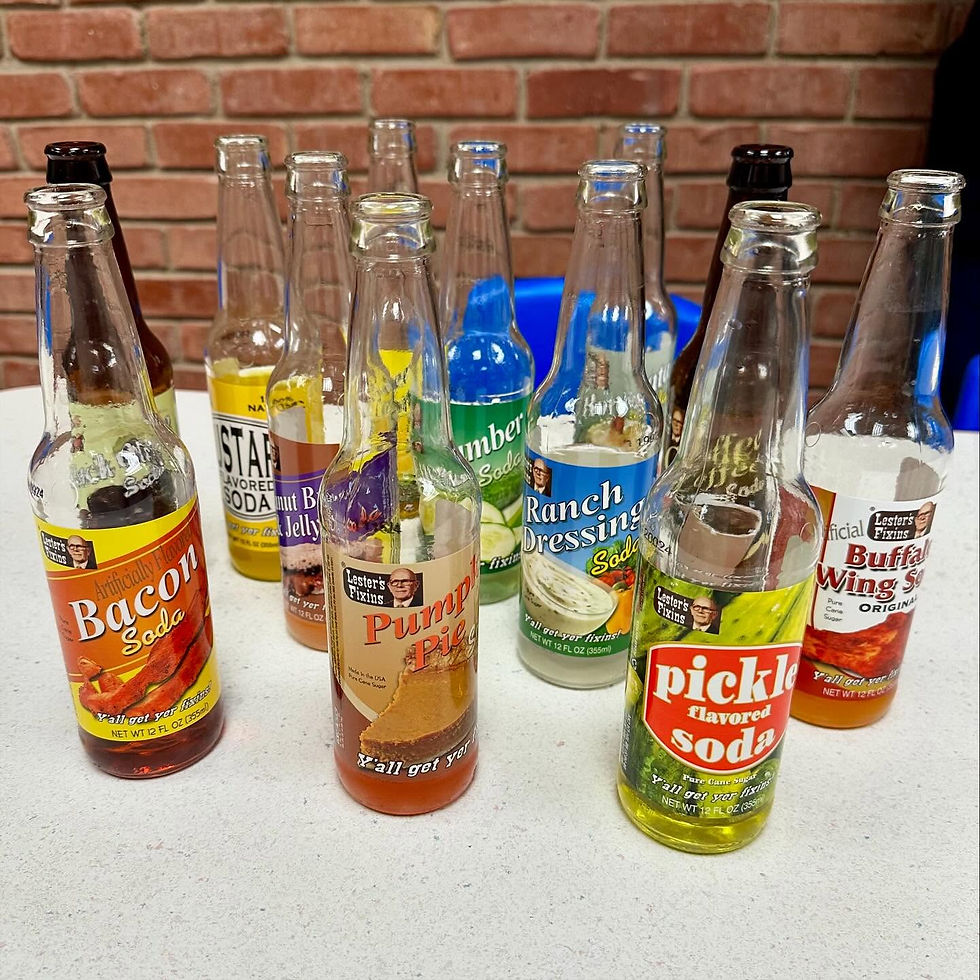
Drink Themes (Huge Hit)
Wacky Soda Tasting – Unique or novelty flavors (butter, blue raspberry, specialty craft sodas) - Supply ideas HERE & HERE
Root Beer Roundup – Compare brands
Lemonade Lab – Sparkling vs. still, flavored varieties
Hot Chocolate Bar Taste-Off (winter edition)
Sports Drink Showdown
International Drinks – Popular beverages from different countries
General Supplies
For each of these programs, I used condiment cups to divvy out small samples to stretch the provided foods/drinks. You can get these in varying sizes. I always kept all sizes on hand!
Why It Works
1. It Channels After-School Energy
Instead of kids hovering around asking for snacks, you’re creating a structured experience. You’re meeting a real need — hunger — while layering in interaction, analysis, and community-building. Food becomes the hook. Conversation becomes the outcome.
2. It Builds Vocabulary & Critical Thinking (Without Feeling Academic)
Provide tasting sheets with prompts like:
Describe the flavor in three words.
What does this remind you of?
Rate sweetness/spiciness/saltiness from 1–5.
Would you buy this?
What surprised you?
They start using words like: “Smoky.” “Artificial.” “Subtle.” “Overpowering.” “Fizzy but flat.”
They’re practicing descriptive language and comparison skills — and they don’t even realize it.
3. It Encourages Safe Risk-Taking Trying new food can feel vulnerable.
Gutsy Gourmet creates:
Peer encouragement
Low stakes (“You don’t have to like it.”)
Shared reactions
There’s something powerful about a hesitant middle schooler taking a sip of an

unfamiliar soda and immediately turning to their friends to process it together.
You’re modeling openness to new experiences.
How to Structure the Program
Length: 45–60 minutes
Recommended Age Range: Grades 4+
Group Size: Varies depending on budget
Basic Flow:
Welcome + introduce the theme
Review expectations (anticipated reactions, allergy awareness)
Taste Round 1
Discussion + rating/voting
Repeat for each item
Final vote + crown a winner
Use:
Ballots for “Fan Favorite”
A whiteboard to tally results and descriptive words
Small prizes (optional)
Music that matches the theme
For drink & snack tasting, use small sample cups to control portions and cost.
Budget & Practical Considerations This program is highly adaptable.
Low Budget Options:
Store brands vs. name brands
Dollar store novelty sodas
One category with 3–4 items
Higher Budget:
International grocery store finds
Specialty beverages
Larger variety of items
Other considerations:
Collect allergy information during registration.
Clearly label ingredients.
Use gloves when portioning.
Follow your library’s food service policies.
Establish a “no yucking someone else’s yum” rule early.
Hidden Benefits
Gutsy Gourmet supports:
Social interaction
Descriptive language development
Cultural exposure
Decision-making
Sensory exploration
Community building
And perhaps most importantly? It gives kids a reason to sit around a table together and talk. In a world of constant structure and performance pressure, this is simple, shared experience.
Final Thoughts
After-school hunger is real. Instead of treating it as a disruption, consider turning it into programming. Gutsy Gourmet proves that not every impactful library event needs elaborate supplies or complicated prep. Sometimes, all it takes is a table, some napkins, a few brave taste testers… and maybe a wildly questionable soda flavor.
If you launch your own version, I’d love to hear what themes your kids come up with. They always have ideas — especially when snacks are involved.
*This blog is intentionally ad-free. I want it to be a clean, distraction-free space where public librarians can find practical ideas for youth services, outreach, and programming without pop-ups or sponsored clutter.
Some posts may include affiliate links for books or supplies I genuinely use and recommend. If you choose to purchase through those links, I may earn a small commission at no additional cost to you. It’s a simple way to support the work while getting materials for your own programs.
If you’ve found value in these ideas and would like to help keep the blog running, tips are always appreciated and go directly toward hosting costs and content creation. You can do so here: https://www.paypal.com/ncp/payment/SPBXH4RPDHCCY


Comments